How to find housing as an international student

Finding the right place to live is one of the biggest decisions you’ll make when moving abroad for school. As an international student, your housing choice can affect your daily commute, your social life and your financial stability.

This article breaks down the main options for housing for international students, explains what to expect with leases and utilities and offers practical advice to avoid common pitfalls.

Your main housing options

Most international students moving to the U.S. choose from three common types of housing. Your decision will likely depend on cost, location and whether you prefer a more independent or community-focused experience.

1. On-campus housing

University dormitories or residence halls are often the easiest option for first-year students. They offer built-in meal plans, furniture and social activities. Some international students start in dorms for convenience before transitioning to apartments later on.

2. Off-campus apartments

These include studios, shared apartments or private rentals. Off-campus options may offer more space or independence but come with added responsibilities. Expect to pay for utilities, set up phone plans for international students and possibly furnish the space yourself.

3. Homestays or extended-stay housing

Some students stay with host families or in long-term student accommodations managed by private housing providers. This can help with international student culture shock and provide a more immersive experience in U.S. life.
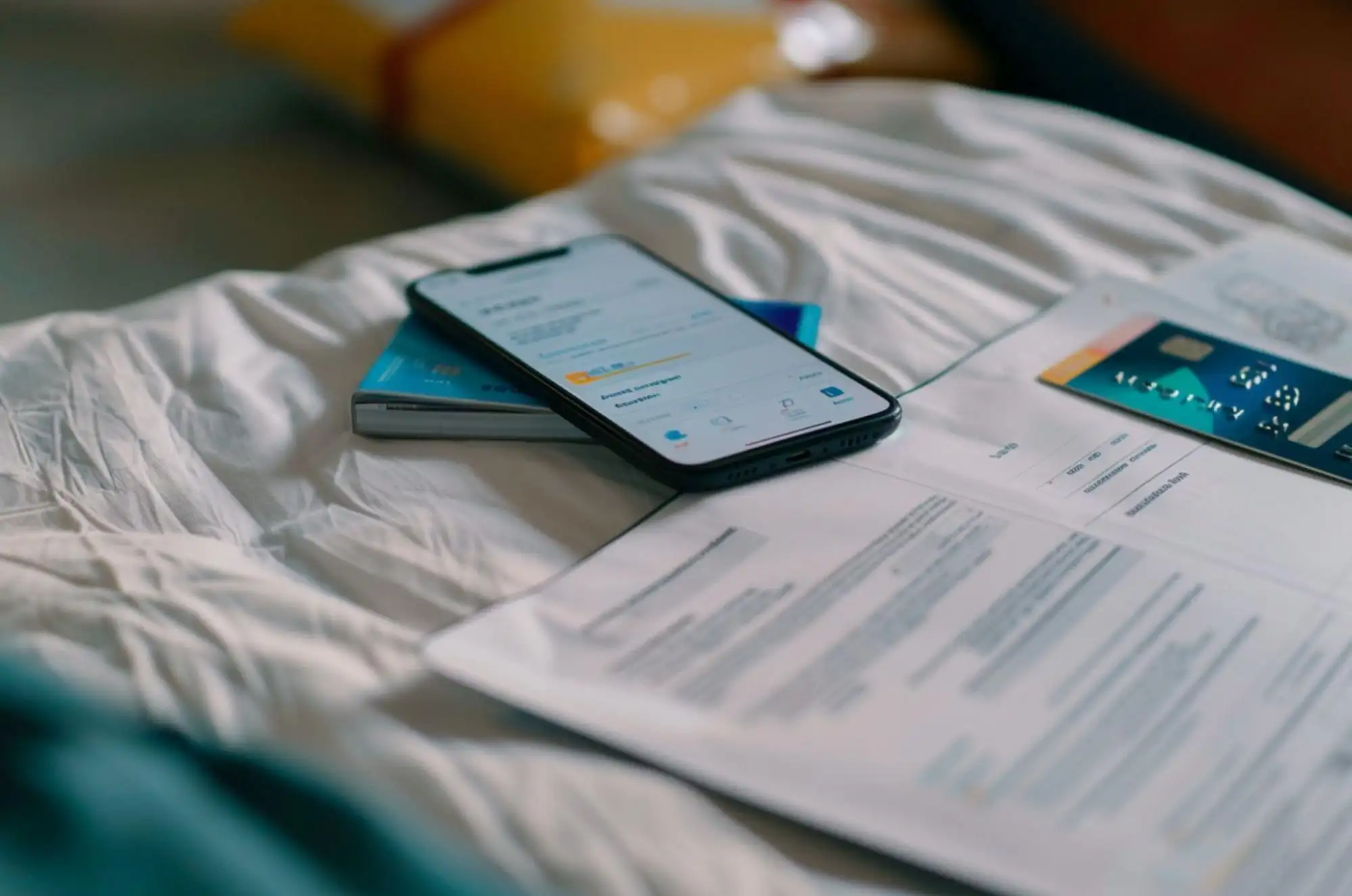
A flat lay photo shows a lease agreement, a credit card and a phone resting on a notebook

Explore Immigration Tips

Have questions about the visa process? MPOWER's immigration resources are for students like you.

Budgeting and lease considerations

Before signing anything, make sure you understand the total monthly cost. Rent is just one part of your overall international student budgeting plan. You may also need to pay:

  • A security deposit, usually one month’s rent
  • Utility bills such as gas, electric, water and internet
  • Application or administrative fees
  • Furniture and kitchen items if not included

Always read the lease agreement carefully. Look for:

  • The length of the lease and early termination rules
  • Whether subletting is allowed
  • Which party is responsible for repairs
  • Rules around guests, noise and damage fees

Some universities offer housing assistance or maintain listings for verified landlords. Use these resources whenever possible to avoid scams or unsafe conditions.

What housing means for your full student experience

Where you live can influence how quickly you adjust to studying in the U.S. Long commutes, noisy environments or unsafe areas can add stress. A reliable housing setup can support your academic focus, social life and sense of belonging.

Many international students also use their housing situation to practice independence for the first time. Paying rent, planning meals and organizing bills are all part of learning to manage life abroad.

If your housing plans change after arrival, don’t panic. Most schools offer temporary housing, student legal services or referrals to vetted landlords who work with international students.

Two students sitting on a couch in a shared apartment, weekly schedule on table, light clutter like books and laundry.

Tips for international students apartment hunting in the U.S.

  • Start early. In major cities, good rentals go fast, especially near universities.
  • Use official school resources. Many schools have off-campus housing offices or recommend local property managers.
  • Visit in person if you can. If not, ask for a live video tour and check reviews.
  • Beware of scams. Never wire money without signing a lease and verifying the landlord.
  • Know your rights. U.S. tenants have legal protections that vary by state.
  • Talk to other students. Current or former international students in U.S. programs may share helpful housing tips.

MPOWER Financing student loan

A loan based on your future earnings

FAQs


What’s the best housing option for new international students? 

On-campus housing is usually easiest for new arrivals. It removes many logistics and helps you settle into student life.

Is off-campus housing cheaper? 

It can be, especially if you split rent with roommates. However, it often includes added costs like utilities and furniture.

How early should I look for housing? 

Start as soon as you accept your admission offer. Some rentals near universities fill months in advance.

Can I use loan funds for rent? 

It depends on the lender but frequently, yes. MPOWER loans can cover housing in the U.S. if eligible.

What should I avoid when apartment hunting? 

Avoid listings without photos, landlords who ask for money before showing the unit and rental contracts that skip written agreements.

DISCLAIMER – Subject to credit approval, loans are made by Bank of Lake Mills or MPOWER Financing, PBC. Bank of Lake Mills does not have an ownership interest in MPOWER Financing. Neither MPOWER Financing nor Bank of Lake Mills is affiliated with the school you attended or are attending. Bank of Lake Mills is Member FDIC. None of the information contained in this website constitutes a recommendation, solicitation or offer by MPOWER Financing or its affiliates to buy or sell any securities or other financial instruments or other assets or provide any investment advice or service.

2026 © MPOWER Financing, Public Benefit Corporation NMLS ID #1233542

U.S. office India office
1101 Connecticut Ave. NW Suite 900, Washington, DC 20036 The Cube at Karle Town Center, 9th Floor, 100 Ft, Nada Prabhu Kempe Gowda Main Road, Next to Nagavara, Bengaluru, Karnataka 560045, India
Apply Now