STEM degree in the U.S.: A smart move for Nepali students looking to build global careers

STEM fields (science, technology, engineering and mathematics) are in high demand worldwide, and the U.S. is home to some of the best STEM programs, cutting-edge research and generous work benefits for international students.

Many postgraduate students from Nepal choose STEM programs because they combine academic rigor, global recognition and career-building opportunities. Whether you’re aiming for a job in artificial intelligence, biomedical research or environmental science, a STEM degree opens more doors than most other fields.

Let’s look at what makes STEM degrees in the U.S. such a strong choice for Nepali students, including work options, program types and how to fund your education.

Why STEM degrees matter for Nepali international students

A STEM degree from a U.S. university does more than help you become an expert in your field. It gives you access to some of the best post study job opportunities in the world, while helping you develop skills that are valuable both in the U.S. and back home in Nepal.

Here’s why these programs stand out:

  • Longer work authorization through STEM OPT: If you finish a qualifying STEM degree in the U.S., you can apply for an extra 24 months of work authorization after your standard optional practical training period ends. That means you could stay and work for up to three years after graduation without needing H-1B sponsorship.
  • High demand in the U.S. job market: Most industries that are growing fast in the U.S., like software engineering, clean energy and biotechnology, are STEM-driven. These are also top sectors for OPT jobs for international students and long-term career growth.
  • Global recognition: U.S. STEM degrees are widely respected. If you return to Nepal, or apply for jobs in Canada, Europe or the Gulf, your U.S. postgraduate degree gives you a strong advantage.
  • Pathway to immigration: Many Nepali students use STEM OPT to transition into longer-term work visas or permanent residency options like H-1B. Choosing a STEM major can give you more time and flexibility to take that next step.

If you’re planning a master’s degree abroad, STEM fields provide one of the most stable paths toward long-term global careers.

Popular STEM programs and fields for Nepali students

Most STEM programs in the U.S. fall under science, technology, engineering or math, but each field has its own strengths. Some may align better with your goals depending on your interests and the job market.

Here are some popular options for postgraduate degrees:

  • Computer science and software engineering: These programs are top choices for Nepali students because they offer high salaries and strong demand. Roles in machine learning, cloud computing and cybersecurity are open to international applicants, and employers in these fields are more likely to understand work authorization for international students.
  • Data analytics and statistics: Big data is everywhere, and businesses need analysts who can interpret it. Masters degrees in data science, statistics or business analytics often lead to graduate jobs in the U.S. for international students.
  • Mechanical and civil engineering: These programs often tie into infrastructure, energy or transportation, sectors that are hiring globally. Many Nepali students with engineering backgrounds pursue further specialization in the U.S. to expand their job prospects.
  • Biotech and public health: COVID-19 showed the value of health-related STEM fields. U.S. programs in biomedical engineering, epidemiology or health care management can lead to jobs with a global impact.

To make sure your degree qualifies for the STEM OPT extension, check the official list of designated programs maintained by the U.S. Department of Homeland Security.
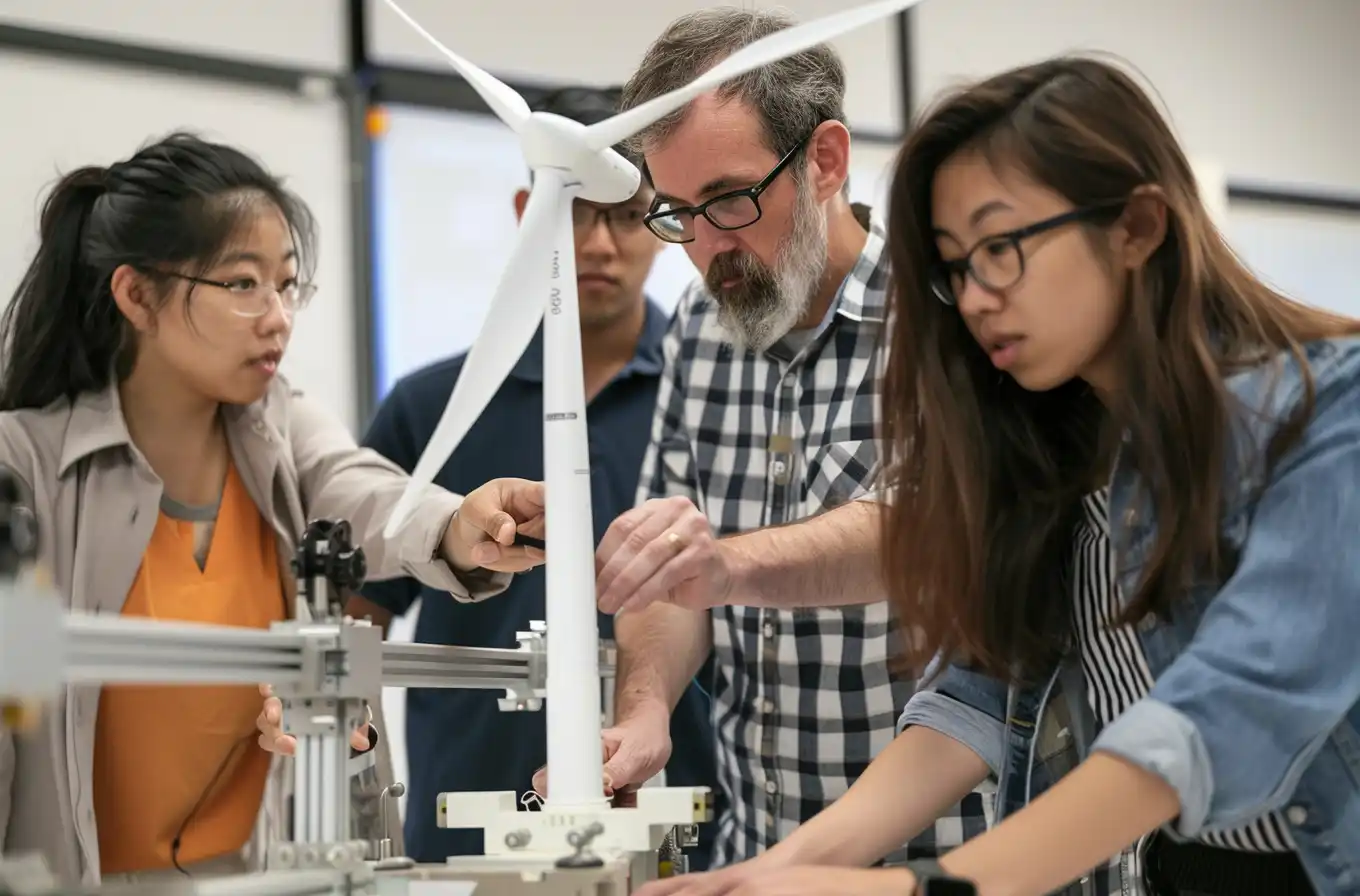

A professor guides international students on campus

Experience financial empowerment

Get the financial information you need to take charge of your future

How to fund your U.S. STEM degree

While STEM degrees can lead to strong jobs, they also require significant financial planning. Tuition fees in the U.S. can be high, especially for international students, and living expenses vary depending on your city.

Here are some of the ways Nepali students cover their costs:

  • Scholarships for STEM students: Some U.S. universities offer merit-based scholarships specifically for STEM majors. Check if your program has funding for international applicants.
  • Graduate assistantships: Teaching or research assistant roles can reduce your tuition and provide a monthly stipend. These are especially common in STEM fields.
  • Part-time jobs during study: While enrolled, you may be able to work part time on campus or through curricular practical training. CPT for international students lets you gain work experience that aligns with your studies.
  • International education loan options: If you don’t have a cosigner in the U.S., lenders like MPOWER Financing offer student loans for postgraduate degrees without requiring collateral or a credit history. These loans can be used for tuition, housing and other education-related expenses.

Planning your budget early is important. Many Nepali students underestimate costs like health insurance, course materials or winter clothing. Talk to your university’s financial aid office, and research funding options before you apply.

Career planning and visa benefits after your STEM degree

Getting your STEM degree is just the start. To make the most of your investment, you’ll want to use the U.S. work authorization system to gain experience that sets you up for long-term success.

Here’s how to do that:

  • Apply early for OPT: After completing your degree, you can apply for optional practical training, which gives you 12 months of work authorization. This is a key step toward full-time employment.
  • Use the STEM OPT extension: If your job is related to your STEM degree and your employer is enrolled in E-Verify, you can extend your OPT for an extra 24 months. This gives you more time to build your experience and pursue graduate jobs in the U.S. for international students.
  • Connect with OPT-friendly employers: Some U.S. companies hire international students regularly and are familiar with visa rules. These include tech firms, research labs, consulting firms and health care systems.
  • Consider Canada as a second option: Some Nepali students start their STEM education in the U.S. but explore job opportunities in Canada later. With a valid STEM degree and North American work experience, you may qualify for Canadian immigration programs like Express Entry.

Job opportunities for international students are strongest when you have both advanced education and some work experience. That’s what makes the U.S. STEM degree pathway so powerful.

An international graduate stands in front of a U.S. university building.

MPOWER Financing can support your STEM education journey

For Nepali students pursuing STEM degrees in the U.S., financing is often the biggest hurdle. Many families cannot provide property as collateral or find a cosigner with U.S. credit. That’s where MPOWER Financing can help.

MPOWER Financing offers international student loans for postgraduate degrees in approved STEM programs across the U.S. and Canada. These loans require no collateral or cosigner, and, in the U.S. can be used to pay for tuition, housing, books and insurance. In Canada, these loans can be used for tuition and any university-invoiced expenses.

Beyond financing, MPOWER also provides support through:

  • Tools to help you identify F-1 available internships and jobs and resume guidance
  • Exclusive scholarships for international students
  • Free resources for budgeting and understanding  credit in the U.S.

For STEM majors especially, these services can help you move from student to skilled professional. With a strong education and the right tools, you’ll be ready to compete for jobs worldwide.

MPOWER Financing student loan

A loan based on your future earnings

FAQs


What is considered a STEM degree in the U.S.?

A STEM degree falls under science, technology, engineering or mathematics fields. To qualify for STEM OPT, the program must appear on the U.S. government’s official list of designated STEM programs.

Can Nepali students get three years of work in the U.S. after a STEM degree?

Yes. After completing a STEM degree, you can first apply for 12 months of optional practical training. If your job and employer meet the requirements, you may also apply for a 24-month STEM OPT extension, giving you up to three total years of U.S. work authorization.

Are STEM degrees more expensive than other programs?

Tuition fees for STEM programs vary. Some programs, like computer science or engineering, may have higher lab or equipment costs. However, they also offer strong job prospects and assistantship options, which can help offset expenses.

Can I work during my STEM degree as a Nepali student?

Yes. With CPT, you can work in jobs or internships that are related to your studies while you’re still enrolled. Most CPT jobs are part time during the academic term and full time during breaks.

Is it easier to get a job in the U.S. with a STEM degree?
Employers in the U.S. value STEM skills and are more likely to hire international students for technical roles. The extended work authorization from STEM OPT also gives you more time to find the right opportunity.

DISCLAIMER – Subject to credit approval, loans are made by Bank of Lake Mills or MPOWER Financing, PBC. Bank of Lake Mills does not have an ownership interest in MPOWER Financing. Neither MPOWER Financing nor Bank of Lake Mills is affiliated with the school you attended or are attending. Bank of Lake Mills is Member FDIC. None of the information contained in this website constitutes a recommendation, solicitation or offer by MPOWER Financing or its affiliates to buy or sell any securities or other financial instruments or other assets or provide any investment advice or service.

2025 © MPOWER Financing, Public Benefit Corporation NMLS ID #1233542

U.S. office India office
1101 Connecticut Ave. NW Suite 900, Washington, DC 20036 The Cube at Karle Town Center, 9th Floor, 100 Ft, Nada Prabhu Kempe Gowda Main Road, Next to Nagavara, Bengaluru, Karnataka 560045, India
Apply Now