Opening a bank account as an international student: Everything you need to know

Starting your life in the U.S. as a student means more than just registering for classes. One of your first priorities should be opening a bank account as an international student. A U.S. bank account lets you receive payments, manage expenses and avoid fees that often come with using a card from your home country.

This article explains what documents you need, how to choose the right bank and how to start building your financial life in the U.S.

Why international students need a U.S. bank account

International students handle a variety of transactions: tuition, rent, textbooks, groceries and more. Without a U.S. account, these payments can become expensive or complicated. Using foreign debit or credit cards can lead to high transaction fees, unfavorable exchange rates and difficulty making local payments.

A U.S.-based international student bank account allows you to:

  • Make rent payments or transfer funds to roommates or landlords
  • Receive refunds or paychecks from your university
  • Withdraw money from local ATMs without conversion fees
  • Set up direct deposit for on-campus jobs or internship income
  • Access mobile apps and budgeting tools linked to your U.S. address

You may also need a U.S. account to apply for services like phone plans, digital subscriptions or credit cards for F-1 students. Without one, day-to-day life in the U.S. is much harder to manage.

Two students sit at a bank help desk with an advisor.A small table between them includes application forms.

Experience financial empowerment

Get the financial information you need to take charge of your future

Step-by-step guide to opening an account

Before you walk into a bank, gather the documents required. Most banks will ask for:

  • A valid passport
  • Your F-1 visa (or J1 if applicable)
  • Your I-20 form (or DS-2019 for J1)
  • Proof of your U.S. address (lease, utility bill or campus housing letter)
  • Your student ID or enrollment verification
  • A Social Security number if you have one, or a denial letter if not

Some banks will also ask for an initial deposit, usually between US$25 and US$100. If you don’t have a Social Security number yet, that won’t prevent you from opening a basic account at most banks. However, certain features like overdraft protection or credit applications may be unavailable until you get one.

You can often start the process online, then finish in person with your documents. Many banks for international students also offer in-branch support during university orientation week or host campus sessions to make the process easier.

Once your account is open, you’ll receive a debit card and access to online and mobile banking tools. These apps let you track spending, send payments and get alerts about low balances or suspicious activity.

Choosing the right type of account and bank

When selecting a bank, consider both the services offered and how easy it will be to access them regularly. Look for options tailored to international student banking with:

  • No monthly maintenance fees
  • No minimum balance requirements
  • Mobile app access for payments and transfers
  • ATMs near campus or at your university
  • English language customer service, or multilingual help if needed
  • Support for opening accounts without a Social Security number

The two main account types are:

  • Checking accounts: Used for daily spending, direct deposits and paying bills
  • Savings accounts: Useful for building emergency funds or setting aside money for future travel, tuition or other costs

It’s smart to open both types together if possible. This helps you keep your day-to-day spending separate from your longer-term savings and creates a financial buffer in case of unexpected expenses.

If you’re moving to the U.S. long term, opening an account at a bank that also offers student credit cards can help you begin building a U.S. credit history. For example, if you later apply for a credit card for F-1 students, it helps to already have a relationship with that bank.

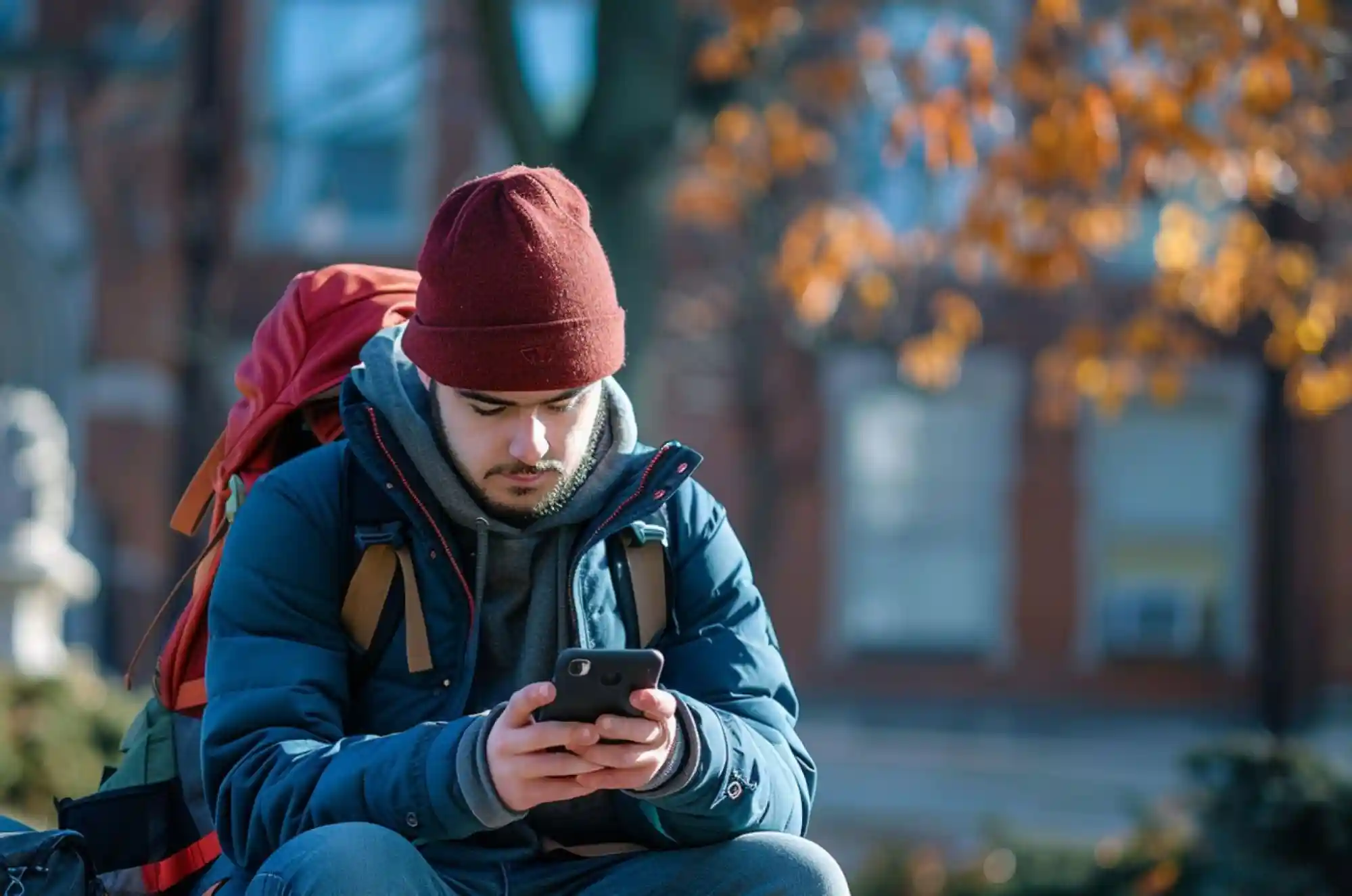
A student reviews their account on a phone banking app while seated outside on campus.

How MPOWER Financing helps international students with financial setup

MPOWER Financing helps international students succeed in the U.S. by supporting more than just tuition payments. One key way is by making it easier to access and set up essential financial services.

Here’s how MPOWER helps students with banking access:

  • Loan disbursement and approval letters can serve as proof of funding or enrollment when opening accounts.
  • Path2Success resources explain how the U.S. banking system works, including account types, online safety and budgeting.
  • Direct loan disbursement to schools minimizes the need for large wire transfers, simplifying the funding process for tuition and housing.
  • International scholarship awards and enrollment support help document your financial readiness to banks or account managers.

Banking is part of settling into student life, and MPOWER helps you meet requirements with fewer obstacles and more clarity.

MPOWER Financing student loan

A loan based on your future earnings

FAQs


Can I open a bank account before arriving in the U.S.? 

Some banks allow international students to start the process online, but you’ll usually need to show original documents in person once you arrive.

Do I need a Social Security number to open a bank account? 

No. Most student-friendly banks allow you to open a basic account without one. Some banks may ask for a denial letter from the Social Security Administration confirming you’re not eligible for an SSN.

How do I choose the best bank? 

Look for no-fee student checking accounts, nearby ATM access and mobile app tools. Ask your university which banks work best with international students in the U.S.

What happens if I overdraw my account? 

Some banks charge fees for overdrafts, while others offer protection programs. Read the account terms carefully so you know what to expect.

Can MPOWER Financing help me with banking problems? 

MPOWER Financing doesn’t open accounts but provides the financial documents and education that make banking setup easier for international students.

DISCLAIMER – Subject to credit approval, loans are made by Bank of Lake Mills or MPOWER Financing, PBC. Bank of Lake Mills does not have an ownership interest in MPOWER Financing. Neither MPOWER Financing nor Bank of Lake Mills is affiliated with the school you attended or are attending. Bank of Lake Mills is Member FDIC. None of the information contained in this website constitutes a recommendation, solicitation or offer by MPOWER Financing or its affiliates to buy or sell any securities or other financial instruments or other assets or provide any investment advice or service.

2026 © MPOWER Financing, Public Benefit Corporation NMLS ID #1233542

U.S. office India office
1101 Connecticut Ave. NW Suite 900, Washington, DC 20036 The Cube at Karle Town Center, 9th Floor, 100 Ft, Nada Prabhu Kempe Gowda Main Road, Next to Nagavara, Bengaluru, Karnataka 560045, India
Apply Now